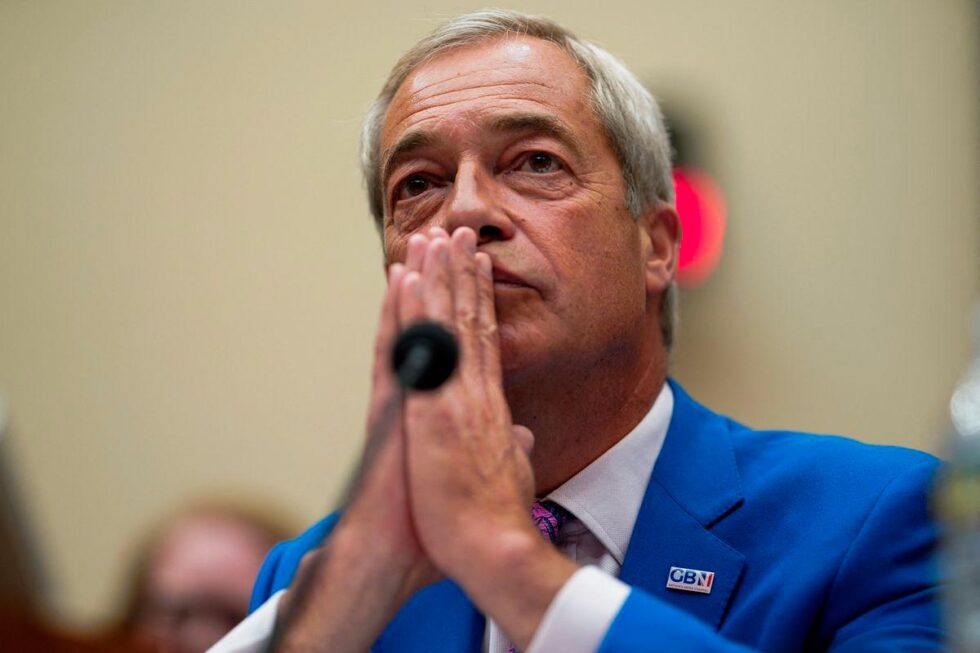
Farage argues that the UK, once a symbol of democracy and free speech, is now limiting what people can say. He calls it censorship in disguise, masked as protecting kids, and points to the Online Safety Act. He thinks the act is more about keeping control than keeping anyone safe.
Farage warned that Britain’s recent laws are risky and he thinks the UK is becoming a place of fear, not open speech.
He mentioned writers, comedians, and activists who’ve been banned or investigated for their online words. He even mentioned people getting questioned by the police for their posts, hinting it’s all part of a plan.
He talked about regular people, not just celebrities, facing penalties for speaking their minds, which suggests Britain is heading down a dangerous path.
Why bring this to America? Farage wants U.S. politicians to remember that if Britain keeps going this way, it might mess up trade and international relations. He’s saying that anyone doing business with Britain should be aware of their stance on free speech.
Speaking on Capitol Hill brings attention to this issue, showing it as a global problem, not just a British one.
The UK government responded, defending the Online Safety Act as responsible, not censorship. They claim free speech is important, but so is protecting children from dangerous stuff online.
Government folks said Farage was causing unnecessary worry, while the Labour party said his comments were reckless and unpatriotic, claiming he’s damaging the UK’s image instead of protecting anyone’s freedom.
The government says it’s trying to balance protecting people with keeping free speech alive.
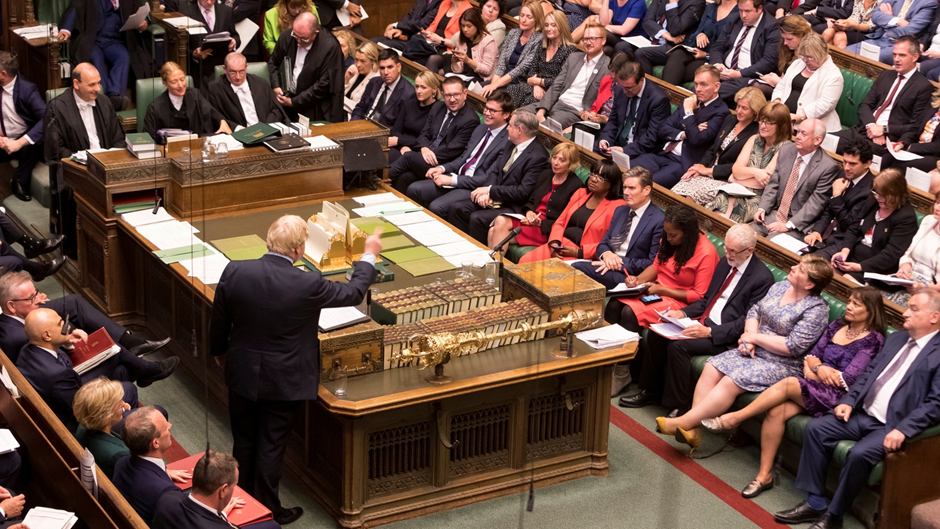
As usual with Farage, reactions were mixed.
His supporters cheered him on, believing he was speaking the truth and standing up for regular folks.
His critics dismissed it as a political stunt, arguing that if free speech was truly gone in the UK, Farage wouldn’t be all over TV, radio, and in Washington.
Either way, his words sparked a discussion.
There are stories of writers losing jobs for their opinions, people getting investigated for tweets, and teachers getting punished for their words. These stories can scare people into staying silent.
However, the government says these are unusual cases, and the law is aimed at violent material, terrorist content, or abuse, not just differing opinions.
The problem is, who decides what’s harmful? That’s where things get tricky.
Farage believes this issue reaches beyond Britain. Governments everywhere are struggling with how to police online platforms without stopping free speech.
The EU has its Digital Services Act, and the U.S. is debating Section 230. The main challenge is balancing protection with freedom.
By speaking in Washington, Farage connected Britain’s law to this bigger global discussion, raising questions about the future of online speech.
The fight’s not over. Campaigners in Britain want the Online Safety Act reviewed, and groups are pushing for safeguards to prevent overreach. Farage will keep sharing his views.
The UK government will try to find a middle ground, but things are already heated.
Basically, Nigel Farage stirred things up again. Some see his U.S. visit as defending freedom, while others see it as just a show.
Either way, it raises a important question: How safe is free speech in Britain today? Are we protecting people, or controlling them?
Free speech is key for discussions and debates. If people are scared to speak up, there’s a problem.
Even if Farage is exaggerating, his speech points out something important: the world is watching Britain, wondering if it’s still a place where people can speak their minds.