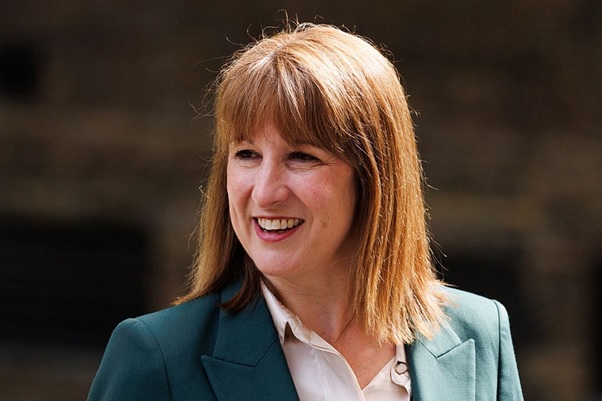
July figures show stronger tax receipts and reduced borrowing, easing pressure on Labour’s economic plans
July gave the Treasury a surprise. Borrowing fell. Just £1.1 billion. That’s the lowest July figure in three years. Economists expected more. The OBR too. Everyone braced for heavier debt. But the numbers? Softer.
Rachel Reeves can breathe. At least for a moment.
What the Numbers Say
£1.1 billion borrowed in July. Way below forecasts.
Compared to last year? Down £2.3 billion.
April to July total? £60 billion. Sounds big, and it is. That’s £6.7 billion higher than last year. One of the highest on record.
Public debt now sits at 96.1% of GDP. Almost the size of the whole economy.
So yes. Relief in July. But the bigger picture? Still heavy.
Why Borrowing Dropped
Tax receipts did the trick.
Self-assessed income tax shot up by £2.7 billion. Employers paid £2.6 billion more in national insurance. Money flowing in, helping plug the gap.
But spending kept rising too. Civil service costs. Pay rises. Department budgets. Debt interest swallowing billions. The wins are fragile.
Reeves in the Middle of a Storm
For Rachel Reeves, this is a breather. Nothing more. Autumn’s Budget looms. Pressure is everywhere.
The OBR will likely downgrade growth. Bad news. That means less cash, more gaps. Analysts warn Reeves may need to find £17–£27 billion. Either raise taxes. Or cut spending. Neither makes friends.
This is Reeves’ fiscal trilemma: invest in public services, keep taxes fair, stick to strict borrowing rules. Pick two, lose one
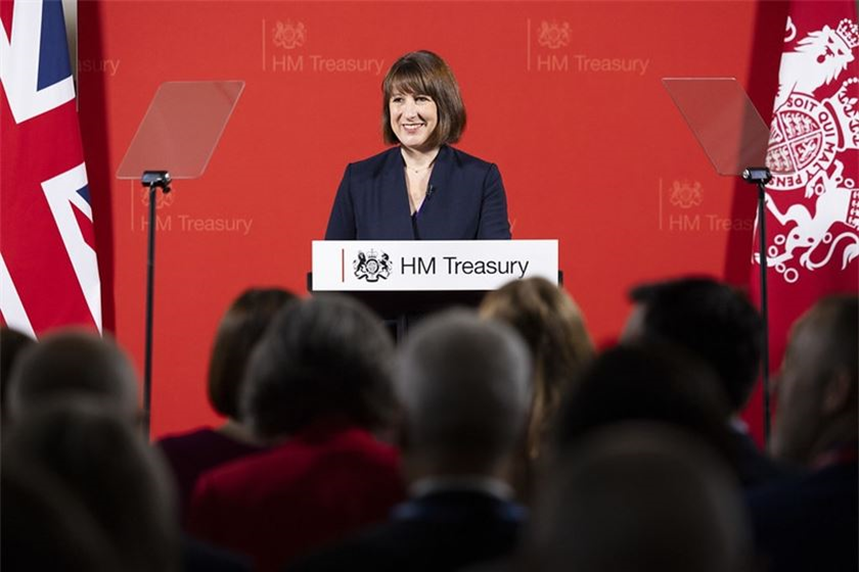
Behind the Headlines
This isn’t just about spreadsheets. It’s about choices. Real ones.
Do you raise property taxes? Reform stamp duty? Touch pensions? Adjust capital gains? Each move hits someone. Reeves knows it. Voters know it too.
And while July’s numbers look neat, the reality is messier. Debt is still climbing. Deficit too. Public services need funding. People want relief.
Yes, July borrowing fell. That’s the headline. A small gift to a Chancellor who badly needed one.
But the story doesn’t end here. The question is whether Reeves can turn this flicker of good news into a sustainable path. Or if it’s just a pause before the next storm.
Because in Britain’s books, the sums never stay still.