Things aren’t looking too good in London’s financial area. Traders are watching the markets closely because they’re worried about global debt. Even the G7 countries, which are usually seen as safe to put money into, have so much debt that investors are getting worried. The UK is right in the middle of all this, and the FTSE is reacting.
You might think that things like national debt only matter to economists, but it actually affects everyone. It changes mortgages, pensions, and even how much we pay for groceries. So, talking about bonds really does have an impact on daily life in Britain.
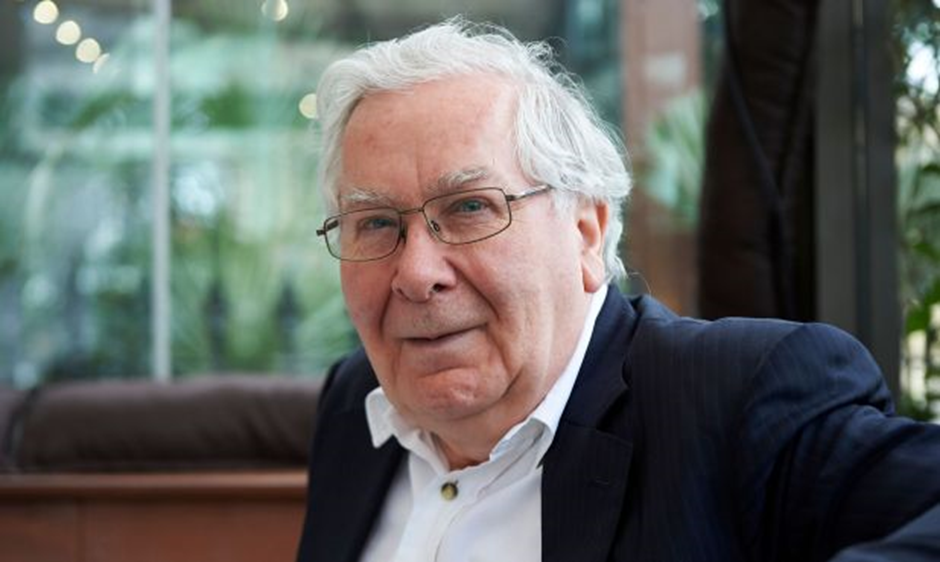
Lord Mervyn King, who used to be in charge of the Bank of England, put it simply: the G7 is in trouble, and that includes the UK. A mix of borrowing, sicknesses, wars, energy problems, and things politicians promised has created a difficult situation. High interest rates are making it worse. Debt is like a really heavy load, and Britain is struggling to carry it.
This worry is making the FTSE move up and down a lot. Some companies, like Anglo American that mines things, are doing okay. But others, such as AB Foods, aren’t doing so great, and this is pulling the index down. It shows how the economy feels overall: shaky and not sure.
Markets don’t like surprises. They like things to be predictable. When investors worry that governments can’t handle their debt, they get scared and pull their money out. They worry about higher taxes, cuts in what the government spends, or slow growth, which makes businesses feel bad. One trader said it plainly: “Debt and politics mean trouble.”
It’s not just Britain that’s dealing with debt. The U.S. is too, and political fights are making it worse. In Europe, France, Germany, and especially Italy are carrying a lot of debt. Central banks can’t just lower interest rates to fix everything because inflation is still a problem, so leaders are stuck. If they lower rates too fast, inflation comes back. If they keep rates high for too long, growth suffers. Either way, owing money gets more expensive.
UK businesses are being careful. Many leaders say they’re used to things being uncertain because of things such as Brexit, sickness, and energy problems. But debt is a little different. If it costs more to borrow money, plans to get bigger are put on hold. If the pound gets weaker, stuff coming from other countries costs more, and profits drop. Stores are already seeing people buy less. If the government cuts back to calm the markets, things could get even worse.
Politics are making things even harder. The government has some tough choices to make. If they cut spending too much, people will get angry. If they raise taxes, businesses might not put money into the country. Neither option is nice. The Labour party says that growth and putting money into the country are the answer, not cutting back. The Conservatives want to be careful with money. Politicians are arguing, but there’s no easy way out.
The effect is already clear. The FTSE goes up one day when there’s good news, and then down the next when there’s bad news. Investors are playing it safe, putting money into gold and silver, which are seen as safe when people are nervous. Bond yields are rising as lenders want higher returns to trust the UK government. That means it costs more to borrow money for everyone, from big firms to people buying their first homes. It’s a cycle that keeps going around, and it’s hard to find a steady place.
No one knows what’s going to happen next. Debt doesn’t go away quickly, and governments can’t just make it disappear. The UK needs to find a way to make the markets feel calm and keep the economy going. That means making difficult choices: put money into growth, but be careful; spend on services, but be smart about money. There are no simple answers.
Lord King’s warning might have seemed strong, but it was true. The G7 can’t keep borrowing forever. Britain needs to be careful. The FTSE is a sign that people aren’t feeling confident, and that’s not good. This all affects daily life for businesses, families, old people, and young people, from how much things cost to how much they can save.
So, when we talk about G7 debt worrying the FTSE, we’re not just talking about numbers. It’s a story about how problems around the world affect us, how trust can disappear, and how economies can struggle with the weight of past promises. Britain’s target is to find a way to be stable without stopping growth. Until then, the FTSE will be up and down, and people will feel the stress.