Keir Starmer is getting ready to make a big announcement. At the next Labour Party conference, the Prime Minister is going to talk about a digital ID plan for the whole country. This could really change how people in the UK live, work, and deal with the government. Some might see it as progress, but others might worry it’s a step toward too much government control. The real story is probably somewhere in between.
Digital IDs aren’t a totally new idea in Britain. Back in the 2000s, Tony Blair tried to get a national ID card system going because of worries about terrorism. But it didn’t work out, it was too expensive, too intrusive, and people just didn’t like it. They didn’t want the government to know everything about them. It felt like too much like being watched too much. Britain has always been proud of not making people carry ID cards like some other countries do. That independence and trust have always been a part of who we are. But now the idea is back, just in a different form.
So, what’s different this time? Starmer and his team say the digital ID plan isn’t about spying or control. They say it’s about making things easier. It would give people one way to prove who they are when they’re applying for a job, renting an apartment, signing up for school, or getting benefits. Instead of having to take your passport, bills, and other documents everywhere, you’d just have a digital ID, maybe an app or a secure card. Sounds simple enough, right? But when it comes to the government and technology, there’s always more to it.
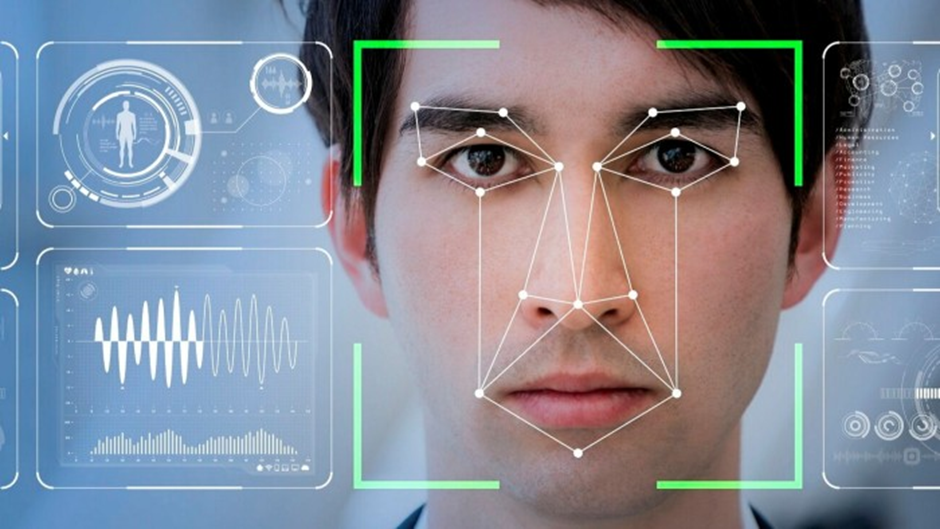
Government ministers say the main thing is controlling who comes into the country. Immigration is all over the news, and the government wants a way to tell who’s here legally from who isn’t. Starmer thinks a digital ID can do that without building walls or kicking people out. It’s supposed to be fair, efficient, and up-to-date. But some people worry that linking the plan to immigration right away makes it controversial. Instead of being about making life easier, it feels like keeping an eye on people. And once the system is up and running, will it stay that way? Or will it spread into other parts of life until everything you do is recorded?
Privacy groups are already worried. Civil rights groups say a digital ID could be like a digital tracking device. Sure, it might start with just your name, birthday, and immigration status. But what if it later includes your health records, taxes, or even what you buy? Once the system is there, it’s hard to stop it from growing. And once people get used to it, it’s almost impossible to get rid of it. Show me your papers used to be a scary thing to hear. Could you show me how your phone became the new normal in Britain?
Still, the government says these fears are overblown. They say the system will have rules and protections to keep people’s information safe. They mention other countries as examples. Estonia, for example, has one of the most advanced digital ID systems and is known for making government services quick and easy. In Singapore, digital IDs are common, and people trust them. Starmer asks why Britain should be left behind. For young people who already use apps for everything, a digital ID might seem normal. But older people, and those who don’t trust the government, might see it differently.
The politics of this are just as tricky as the technology. Starmer wants to show that Labour is serious about immigration, good at running the country, and ready to bring Britain into the modern age. But he also might upset the voters he needs people who think the government already knows too much and gets too involved. And then there’s the past. Every time someone has tried to introduce ID cards in the UK, it’s caused problems. Can Starmer do what Blair couldn’t? Or is he underestimating how much British people value not being forced to carry ID?
For regular people, it’s less about politics and more about trust. Think about Sarah, a single mom in Birmingham. She rents her apartment, works two jobs, and has to fill out tons of forms every time she applies for benefits. A digital ID could save her time and trouble. She wouldn’t have to search for documents or worry about losing them. But she also wonders who’s watching. What if the system gets hacked? What if the government changes and new leaders use it in different ways? Convenience has a price, and for many people, that price feels uncertain.
And then there’s the technology itself. If a national digital ID is introduced, it has to work. Perfectly. If it messes up even once an app crashes, the system gets hacked, or data is stolen, people will lose trust. Cybersecurity experts warn that big systems like this are attractive to hackers. If millions of people’s identities are stolen, it wouldn’t just be embarrassing; it would be a disaster. The government knows the stakes are high. But in a country where even simple computer projects have gone wrong in the past, people are very doubtful.
Still, you can’t ignore the way things are headed. Britain needs to keep up with the times. Government services are stretched thin. Immigration is a big political issue. Fraud costs a lot of money. In this situation, a digital ID seems like a solution, at least on paper. And for Starmer, it’s a chance to show he can lead and that Labour is willing to take big steps, even if they’re not popular.
But here’s the thing: trust is easily broken. Once it’s gone, it’s hard to get back. People remember when the government went too far, when data was leaked, and when promises weren’t kept. So, the digital ID plan isn’t just about technology. It’s about whether British people trust the government enough to carry it around with them every day.
As the Labour conference gets closer, one thing is clear: there will be a lot of debate. Some will see Starmer’s plan as smart, forward-thinking, and something that should have happened a long time ago. Others will see it as dangerous, unnecessary, and a step in the wrong direction. Both sides have a point.
In the end, this is about more than just identity. It’s about freedom, privacy, and how much control people are willing to give up to make things easier. It’s about whether Britain still sees itself as a country where freedom means not having to show your papers or whether that’s an old-fashioned idea in the digital age.
Starmer might call it bringing things up to date. Others might call it control. But for many British people, the digital ID debate comes down to one simple question: do we trust them? And if the answer is no, it doesn’t matter how convenient it is.