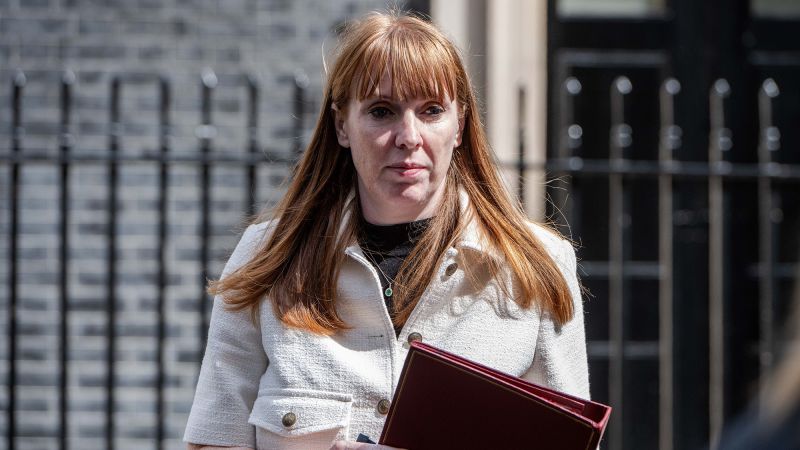
It wasn’t some big drama. No shouting, no fuss. Just a quiet I quit, and suddenly everyone in Westminster was buzzing. Angela Rayner, the Deputy Prime Minister and a familiar face in the Labour Party, resigned.
The reason? A disagreement about taxes she hadn’t paid. Officially, it’s about taxes. But really, it’s a political mess.
Her leaving has caused some big changes in the cabinet, shifting who has the power in the government.
The End of a Fighter
Angela Rayner wasn’t your typical politician. Not one of those polished types who’ve always been in politics. She brought her working-class roots to Parliament. Sometimes she even sounded nervous when she spoke, but she was real. She was honest, even when things got tough.
But the pressure got to her. The news was always questioning her. Her rivals saw a chance to attack. The tax thing wasn’t just about money it was about what people thought of her. Could someone so high up survive when there were questions about their own money?
She answered that by quitting. Fast and quietly.
I’m taking responsibility, she said. She didn’t want her problems to distract from what Labour was trying to do. Maybe that’s a good thing. But it probably hurt a lot.
Starmer Acts Fast
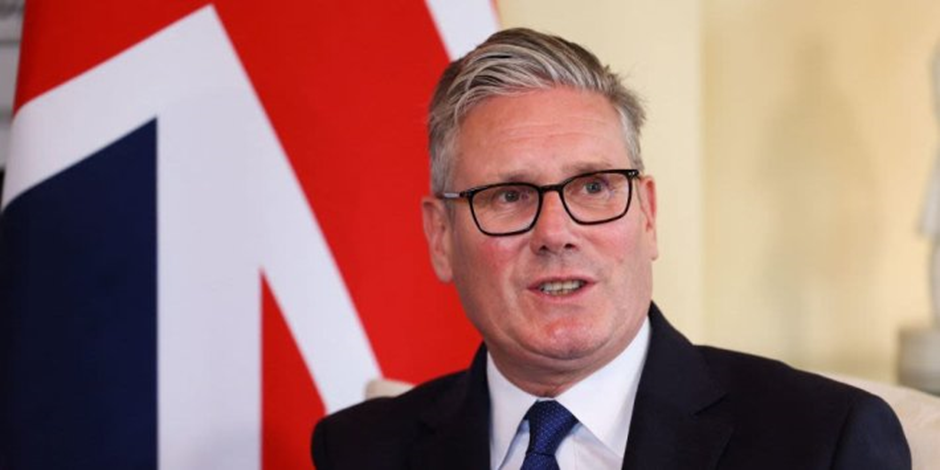
Keir Starmer couldn’t wait around. In politics, if you wait too long, it looks like you’re weak. So, in just a few hours, the changes started.
David Lammy got a promotion. Now he’s both the Deputy Prime Minister and the Justice Secretary, which shows Starmer trusts him a lot but it’s also risky. Lammy is known for his passionate speeches and his experience, but now he has to handle two tough jobs.
Yvette Cooper is the new Foreign Secretary. People think she’s reliable, like her, and she has plenty of experience. Now she’s in charge of how Britain deals with other countries, in a world that’s not very stable right now.
Shabana Mahmood is now in charge of the Home Office. It’s one of the most stressful jobs. Immigration, crime, security she’s now responsible for all of it. People expect a lot from her.
Labour’s Own Problems
Inside the Labour Party, opinions are mixed. Some think Rayner was treated unfairly. They think she was punished too much for a small tax issue. Others say she did the right thing, that it proves she cared more about the party than her job.
Both sides have a point. But her leaving leaves a hole. Rayner was more than just a politician; she connected with people. She spoke for communities outside of London, for working-class people who are often ignored, and for those tired of politicians who always say the same old things.
Now, that voice is gone from Parliament.
The Other Parties See a Chance
The Conservatives jumped on it quickly. They said it was chaos and proved Labour couldn’t keep things together. Reform UK joined in too. Nigel Farage said the government was weak and distracted.
For voters, it just sounds like another messy part of British politics. Scandals, resignations, changes. It makes people wonder: are these leaders thinking about us, or just themselves?
Why It Matters
These cabinet changes aren’t just about new titles. They’re about strategy, power, and survival.
By giving Lammy, Cooper, and Mahmood these jobs, Starmer is betting on people who will be loyal and keep things steady. But each choice has its risks. Can Lammy fix the justice system while also being Starmer’s right-hand man? Can Cooper handle foreign policy without messing up? Can Mahmood handle immigration and law enforcement well?
It’s not just about being good at the job. It’s also about what people think. Voters are paying attention.
Angela Rayner’s Story Goes On
Let’s think about the bigger picture. This isn’t just about politics it’s personal. Angela Rayner’s life story is amazing. She left school at 16, worked as a care worker, and then became Deputy Prime Minister. Her story was inspiring.
Her resignation doesn’t change that. It just adds another chapter. It reminds us that power in politics can disappear fast. That even the strongest people can mess up. That being human can cost you a lot in a system that doesn’t forgive easily.
Maybe that’s why her leaving hurts. She was real.
What’s Next?
Labour is moving on. Starmer is still in charge. The cabinet changes are done, and things are moving forward.
But there are still questions. Can Labour keep going without one of its most relatable people? Will the other parties use this against Labour? Could Rayner ever come back?
Politics never stops. And it doesn’t forgive weakness for long.
Rayner’s resignation is a big deal. It’s a turning point for Labour, for Westminster, and maybe even for how voters see a government that promised to be stable but is now facing its own problems.