When Malik Thompson walks into a press briefing, even government aides straighten their backs. At 31, the Brixton-born journalist has earned a reputation as London’s most relentless reporter—a title he wears not with ego, but with the determination of someone who knows what’s at stake when the truth is buried.
Now a senior correspondent with the BBC’s Investigations Unit, Thompson has gone from chasing stolen phones on the night desk to exposing corruption in the Met Police, uncovering social care abuse scandals, and challenging prime ministers on live television.
“I’m not here to be liked,” Thompson says. “I’m here to make sure no one hides behind silence.”
His journey—from South London council estates to the nation’s biggest newsroom—is not just a story of talent. It’s one of grit, moral clarity, and a deep sense of accountability to the people whose stories rarely make the front page.
Chapter 1: Roots in Reality — Growing Up in Brixton
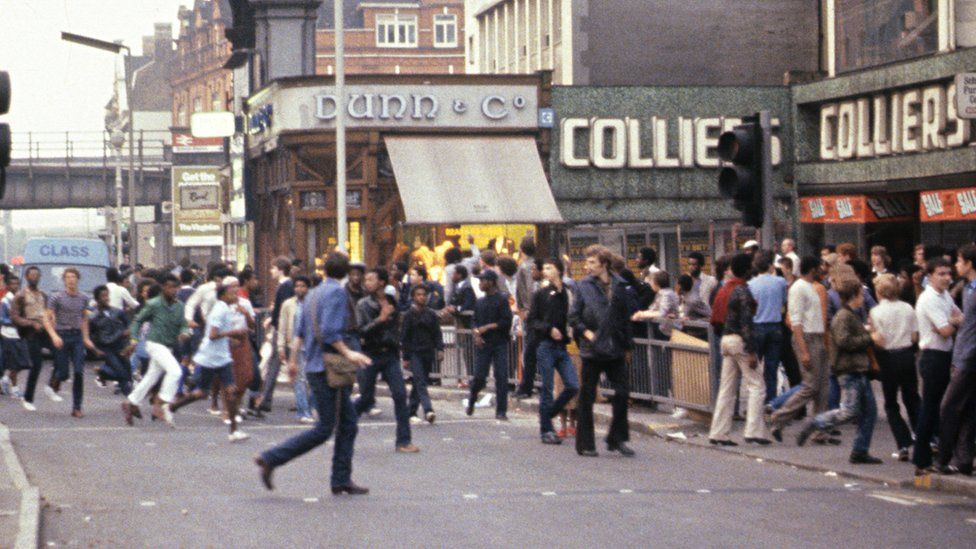
Malik Thompson was raised by his grandmother in a two-bedroom flat near Brixton’s Electric Avenue. His mother, a nurse, worked double shifts, and his father—a former cab driver—was largely absent. Violence, gentrification, and underfunded schools were everyday realities.
But so was resilience. And curiosity.
At age 14, Thompson started writing for the school newspaper, questioning why local authorities were closing down youth centres while funding redevelopment projects. He handed out copies at the bus stop.
By 17, he had won a spot on a diversity-in-media mentorship program with Channel 4, which opened doors to internships and hands-on newsroom experience.
Chapter 2: Earning His Stripes — Breaking into British Journalism
Despite a journalism degree from City, University of London, Thompson’s early career was full of closed doors and freelance hustles. He juggled part-time bar shifts with reporting for local news blogs like South London Press and The Brixton Bugle.
His early work focused on:
- Stop-and-search racial disparities in Lambeth
- The closure of mental health services across the borough
- The rising death toll from knife crime, told through community voices
His 2018 investigative series, Invisible Boroughs, published independently online, caught national attention. It explored how media coverage often ignored crime victims from Black and immigrant communities.
“London wasn’t being covered—it was being caricatured,” Thompson says.
Chapter 3: Making Noise at the BBC
In 2020, Thompson joined the BBC as a junior reporter. It didn’t take long for him to stand out.
Within two years, he had:
- Exposed a network of rogue landlords exploiting tenants during the pandemic
- Investigated racist abuse and lack of accountability within the Metropolitan Police
- Reported undercover from immigration detention centres, leading to a parliamentary probe
He quickly became known for his no-nonsense interviews, evidence-heavy reports, and deep community sourcing.
In 2023, he was promoted to the BBC Investigations Unit, joining a team often compared to Panorama in its prime—but with a more agile, digital-first approach.
Chapter 4: The Malik Method—Relentless and Relatable
Thompson’s style is confrontational, but never theatrical. He combines data analysis, field reporting, leaked documents, and anonymous sourcing to build airtight cases. His interviews are sharp—but grounded in empathy.
Colleagues say he prepares like a prosecutor but listens like a therapist.
A typical week for Thompson might include:
- Interviewing a whistleblower in a secure location
- Analyzing hundreds of pages of public procurement contracts
- Presenting a primetime investigative special
- Speaking at youth media workshops in Croydon or Peckham
“The people who know the truth aren’t always in suits. You’ve got to go where the silence lives.”
Chapter 5: Defining Investigations—Stories That Moved the Needle
Some of Thompson’s most impactful work includes:
- “Behind the Badge” (2022): A deep dive into systemic racism in the Met Police. Led to the resignation of two senior officers and new oversight rules.
- “Elder Neglect” (2023): Exposed abuse in a chain of for-profit care homes. Resulted in arrests, lawsuits, and legislative proposals.
- “Borderline Britain” (2024): Documented the trauma of asylum-seeking children housed in hotels. Won the Amnesty Media Award for Best Broadcast Report.
Each story combined grassroots testimonies with hard documentation—a Thompson signature.
Chapter 6: Pushback, Praise, and Pressure
As his influence has grown, so has resistance. Thompson has faced:
- Legal threats from corporations and government departments
- Online abuse and racial harassment, particularly after confronting senior officials on camera
- Criticism from political figures, who accuse him of bias and “activist journalism”
But support for Thompson is strong—from media peers, civil society, and a new generation of journalists who see him as a role model.
He’s won:
- Royal Television Society Award for Investigative Journalism (2023)
- Paul Foot Award Finalist (2024)
- Named one of “Britain’s Most Trusted Journalists” by the Reuters Institute
Chapter 7: Beyond the BBC — Mentoring, Teaching, and Media Reform
Thompson isn’t content staying on screen. He mentors young journalists of color through the Ground Truth Fellowship, co-founded a media literacy NGO for inner-city schools, and is lobbying for:
- Universal press protections for freelancers and whistleblowers
- Greater editorial autonomy in public broadcasting
- Increased regional and community journalism funding
He’s also writing a book—No Comment: Truth, Power, and the Making of a Relentless Reporter—and developing a documentary series that spotlights underreported UK communities.
“We need journalism that listens before it speaks—and speaks when others won’t.”
Conclusion: A New Standard in Reporting
Malik Thompson’s rise from the edges of London’s media ecosystem to the national spotlight isn’t just a personal achievement—it’s a shift in how journalism sees, serves, and represents the public.
He’s not merely a reporter—he’s a translator between power and the people. And as Britain wrestles with inequality, disinformation, and institutional mistrust, Thompson stands as a necessary voice in a noisy age.
“You don’t have to wear a press pass to be a journalist,” he says. “You just have to care enough to ask the questions no one wants answered.”