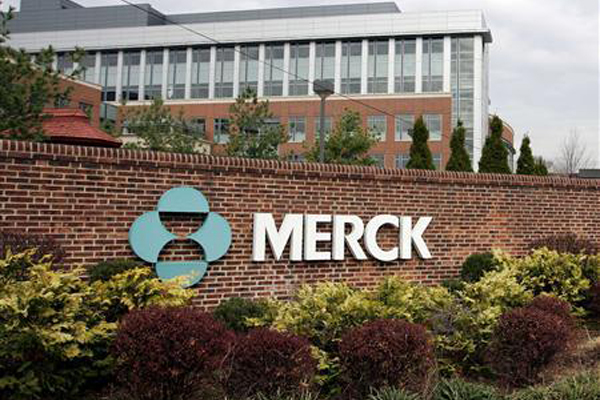
Looks like some expected good news for UK science has gone south. A huge drug company’s serious cash to build a new research place in London? Never mind. Merck’s planned HQ was to be a sign that, even after Brexit, the UK could still get global money and compete with Europe and the US in science. Now that it’s not happening, it hurts the UK science community’s image. This isn’t just about an empty building. Scientists, politicians, and money people thought this project showed Britain was a place for new ideas and health breakthroughs. The fact that it’s off makes it seem like the UK is slipping and doesn’t look that good to companies that could put their money elsewhere. Around 125 jobs are gone, but the real worry is how much people trust the UK now.
Merck hasn’t said the exact reason they bailed, but there have been clues. Putting money into the UK has gotten tougher recently. Less money is going into medicine and biotech. The industry got almost £2 billion from other countries in 2017, but by 2023, that number was below £800 million. Investors notice these things.
One big thing is how drugs are priced. The NHS rules, where companies have to pay back some of their profit, make the UK seem worse than other countries. If you add slow drug approvals, shaky trial funding, and a government that looks busy with other things, Britain looks less safe than it did before. Merck looked at all this and called it off with London.
For those counting on this project, it’s a major letdown. Scientists who thought they’d be working in a top European lab are now worried about their next job. Local shops that expected more customers will lose out. Even the King’s Cross area, which has been getting better, wanted the status and energy a big research HQ would create. Now, they’re just wondering what could’ve been.
The government says they still want the UK to be a world leader in science and tech. But what they do matters more than what they say. If Merck doesn’t think London is worth it, what will smaller companies think? What will other investors think when they look at Britain compared to other choices?
Other countries are moving ahead. The US is still putting serious money into its research places. Germany and Switzerland are trying to get biotech companies to come. Even smaller countries are working to get global investment. Britain could fall behind if it doesn’t move quickly.
Some think this should be a warning. They say the UK has been slow to listen to what the industry needs and not been quick enough to offer help. Others say that the UK still has good things going for it: good universities, smart scientists, and a history of doing well in areas like making vaccines. Both sides could be right. But how people see things matters in global business. Right now, Britain looks like a harder, riskier place to put money.
This might not seem important to everyone, but life sciences affects jobs, healthcare, and the economy. Every time a big investment falls apart, it hurts the UK’s chances of making new treatments, training workers, and growing the economy. The long-term results are real, even if you don’t see them right away.
Merck’s choice makes you ask: is the UK still serious about being a global science leader? Or will it watch other countries get the benefits? What happens next will show that: will the government step up, change how it does things, and give investors a reason to believe again?
Right now, the headquarters in King’s Cross isn’t happening. The labs won’t be built, the jobs won’t happen, and the idea of London as a global research spot has faded. Instead, Britain is learning that wanting something isn’t enough. In the run to be the best in science, standing still means losing.