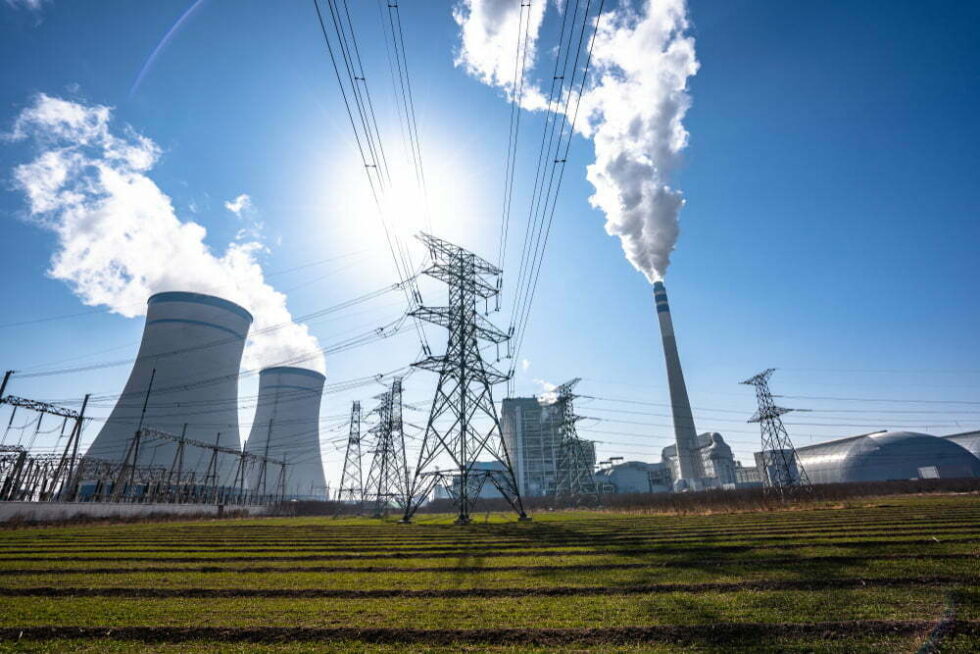
Energy is a really big deal right now. Bills are super high, the government is making plans, everyone is pushing for clean energy, and people are stressed about blackouts. So, Centrica and EDF Energy are going to keep two nuke plants in the UK up and running until 2028.
If you don’t live nearby, you might not know about Heysham 1 in Lancashire and Hartlepool in Teesside. They were supposed to shut down in March 2026, but that’s been pushed back a bit.
It might not seem like much, but it’s a smart move, especially with the UK’s energy situation.
Why It’s Important
The UK’s energy situation is pretty tight. Natural gas prices are all over the place, and wind farm projects are having a tough time with locations and getting connected to the grid. Also, new nuke plants, like Hinkley Point C, are still quite a ways off.
Shutting down two big nuke stations right now could cause some power shortages.
Together, Heysham 1 and Hartlepool power around two million homes. If they closed, the power grid would be in trouble a bit.
This extension gives us some breathing room. It’s two more years of reliable, low-carbon power! It gives renewable energy a chance to catch up a bit. So, politicians can hopefully avoid some scary energy cost headlines.
What Centrica’s Doing
Centrica owns 20% of both plants, and EDF runs them. Keeping them open is a good call for Centrica for a few reasons.
Centrica’s CEO, Chris O’Shea, said it helps Britain get reliable, low-carbon power, and it helps the company too. And it makes sense. Building nuke plants costs a ton, but once they’re running, it’s usually cheaper to keep them going.
The buildings are already there. The staff knows their stuff. Their safety record is okay too. So, two more years means more power, profit, and less money to spend for new plant.
The Government’s Tricky Spot
This is where it gets tricky.
The UK has goals, like net-zero by 2050 and wanting to ditch fossil fuels by 2030. That’s a good thing. It’s just that things often don’t happen as fast as politicians claim they will.
Nuke energy is complex. It’s low-carbon, which is great for the environment, but it brings up safety worries, protests, high costs, and the headache of what to do with the waste.
By keeping Heysham 1 and Hartlepool running, the government is buying some time. They’re trying to keep the lights on while they wait for greener energy things to come online.
Life Around Town
Around the plants, it’s a huge deal for the community.
Both stations have tons of workers. Other people, like contractors, suppliers, and local stores, also see the money come through. Closing in 2026 would hurt the local economy and cause people to lose their jobs.
Two more years equals two more years of paychecks and stability. For people in Lancashire and Teesside, the plants are really important.
The Downsides
It’s not totally perfect. Thing can get old. The longer they’re open, the more up keeping they need and cost. EDF and Centrica will have a lot of eyeballs on them, especially on seeing that safety is still the big thing they care about.
Some people are worried, and environmental groups don’t think sticking with the old reactors is a good plan. They believe we should put our focus on solar, wind, and batteries.
But energy projects take a bit. Shutting down stations too early causes issues, and those problems often get fixed with coal and gas, which is just terrible.
The Bigger Idea
It’s about how Britain is trying to deal with energy, climate, bills, and ensuring that power stays on.
Centrica’s move isn’t a total fix. It just keeps things steady while they work on a better plan.