Central banks should be dependable, even a bit boring. But when their choices affect your mortgage, your grocery bill, or whether your local stores can stay open, that boring stuff suddenly gets real.
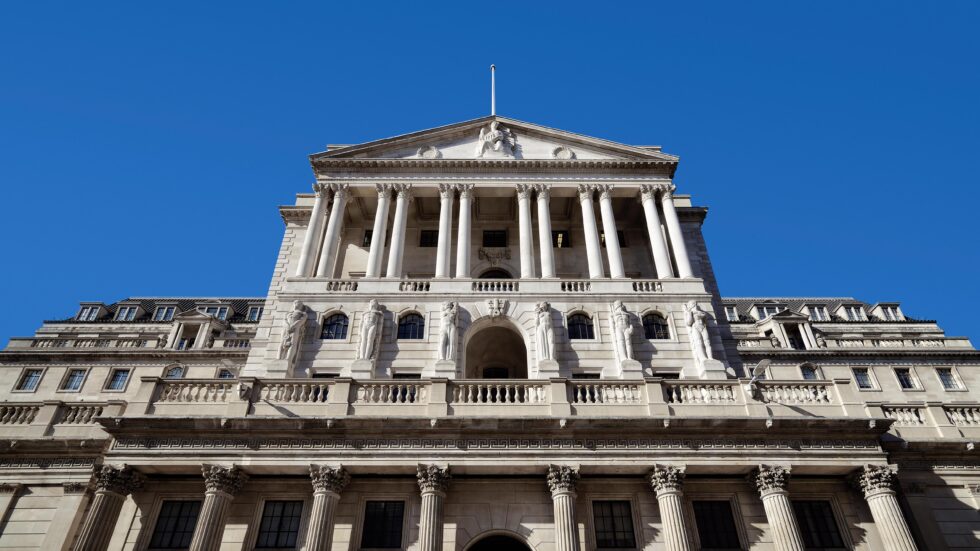
This week, everyone was watching the Bank of England. The message was pretty simple: No help yet, but things shouldn’t get worse.
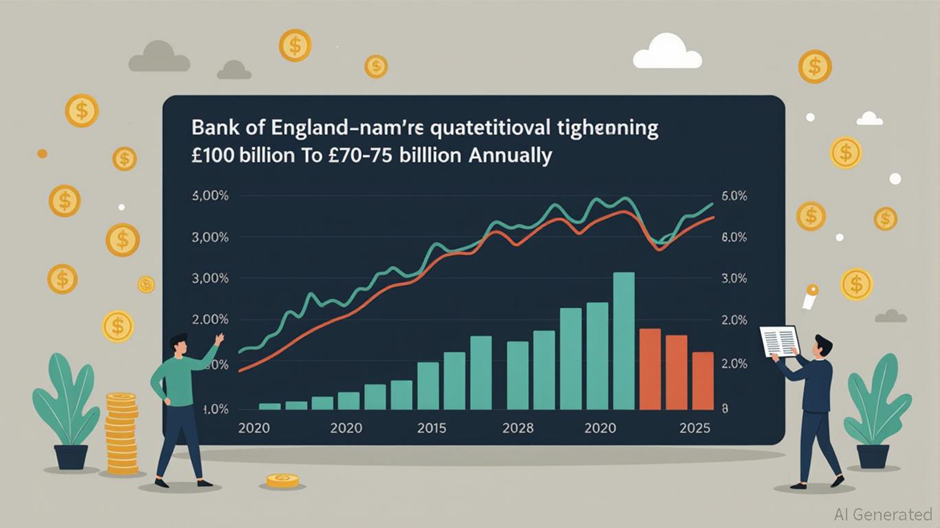
Most think the Bank will keep the main interest rate at 4%, the highest it’s been in 20 years. At the same time, they’re slowing down on selling off the government bonds they bought during the 2008 crash and the pandemic. They’re still reducing their assets, but they’re taking it easy. They’re tapping the brakes, not stomping on them.
So, why not make any changes right now? Inflation. It’s just not going away. Prices went up 3.8% in August. That’s way better than the really tough times of 2022 and 2023, when prices were rising much faster. But it’s still almost double the Bank’s goal of 2%. Food is still costly. Things like haircuts, eating out, and childcare aren’t getting cheaper. Gas prices are always changing. And for everyday families, those reports don’t really matter. If you’re spending more at the store than you did last year, it feels like inflation is still eating into your money.
So, the Bank won’t cut rates. Not yet.
And raising them again? That’s not happening either. People are already struggling. Mortgage payments have sometimes doubled or even tripled. Young people who used to save for years to buy a house can’t even get close now. People are using their credit cards more. Small businesses are worried about loans they took out a while back that now seem huge. If borrowing money gets even more costly, the recovery we’re seeing could fall apart.
That’s the tough problem Governor Andrew Bailey and his team are facing: how to control inflation without crashing the economy. Selling those bonds is part of the plan. But if they do it too fast, markets will get nervous. Bond prices will fall, and borrowing will get too costly. If they go too slow, people will say the Bank is weak and not serious about fixing the debt issue. It’s a delicate situation, and the safest move is to go slowly, carefully, and predictably.
Here’s the thing: These decisions aren’t just numbers. They affect real people’s lives.
A family in Manchester gets a letter about their mortgage and worries about how they’ll make ends meet. A café owner in Birmingham looks at her loan payments and sees that the interest is costing her half of her profits. A retired couple in London sees a little extra in their savings accounts, but it barely covers their energy bills. The Bank might talk about percentages, but the impact is felt in homes everywhere.
Bailey knows that the Bank’s reputation isn’t great. Some say they were too slow to act when inflation started rising. Others say they’re doing too much too late, hurting the economy. Both sides have a point. That’s why the Bank is being careful now. No big surprises, just trying to keep things steady while inflation slowly gets closer to that 2% target.
The markets seem okay with this. Traders think the slower sales of bonds will keep bond prices steady, preventing borrowing costs from rising again. The pound has been steady – no big changes. Investors are already guessing when the Bank might cut rates. Some say 2026. Others think it could be sooner if inflation goes down faster than expected. For now, the best thing to do is wait.
But waiting doesn’t pay the bills. Families are stressed. Small businesses are struggling. In pubs, offices, and online, people are saying the same thing: Why can’t things just go back to normal? The Bank’s reply is simple: If we move too fast, inflation will come back strong. If we take too long, people will suffer even more. That’s what central banking is about: no one is completely happy.
Still, slowing down a bit on tightening things shows that they understand what people are going through. It won’t lower mortgage payments right away. It won’t make food cheaper tomorrow. But it’s saying, We hear you. We’re trying not to make things worse. Sometimes, being reliable, steady, and predictable is what people need most.
The danger? Inflation could stick around. Or even worse, another global problem could happen energy prices could shoot up, wars could mess up supplies, or markets could crash. If that happens, the Bank might have to raise rates again, which could destroy any hope that people have left.
But right now, the plan is simple: Keep rates high but steady. Keep tightening, but slower. Watch the numbers. Wait. Hope it works. It’s not thrilling, but central banks aren’t supposed to be thrilling. They’re supposed to be trusted. And the Bank of England is still trying to earn that trust back.
Because when the news stories are over, it’s not about bond sales. It’s about whether a family can pay their mortgage without being stressed. Whether a small café can borrow money for new equipment without risking closing for good. Whether everyday people can believe that maybe, just maybe, things are getting better.
And if the Bank can do that? Then being boring will be more than just good it will feel like a relief.