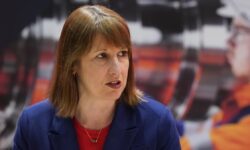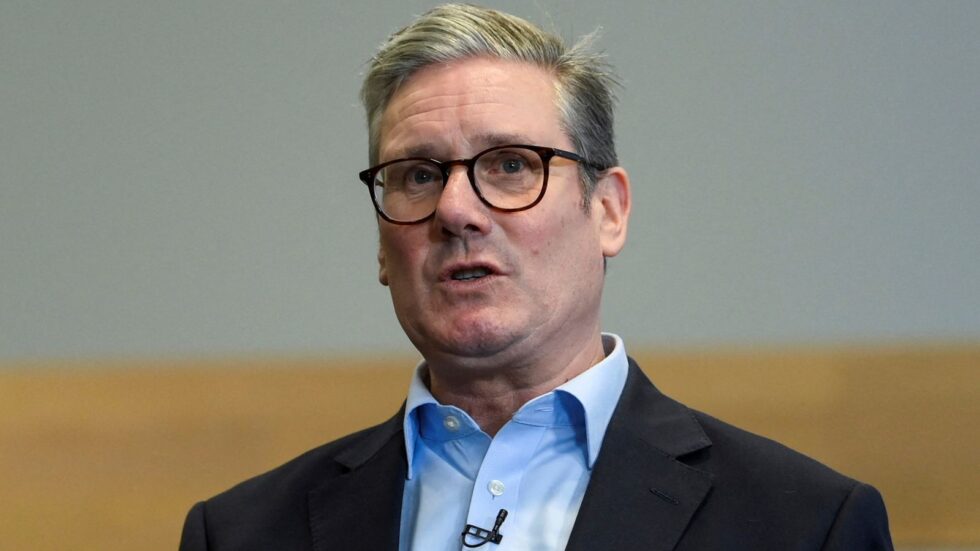
The UK economy isn’t doing so hot. Growth is slow, there’s a £20 billion hole in public funds, and businesses are still uneasy after last year’s tax increases. Because of this, Keir Starmer is taking action and getting directly involved through this new Budget Board. It might seem like a basic thing, but it’s pretty important. Starmer wants to make sure the economy is at the top of his government’s to-do list and stop future budgets from causing problems.
Why Starmer Created This Thing
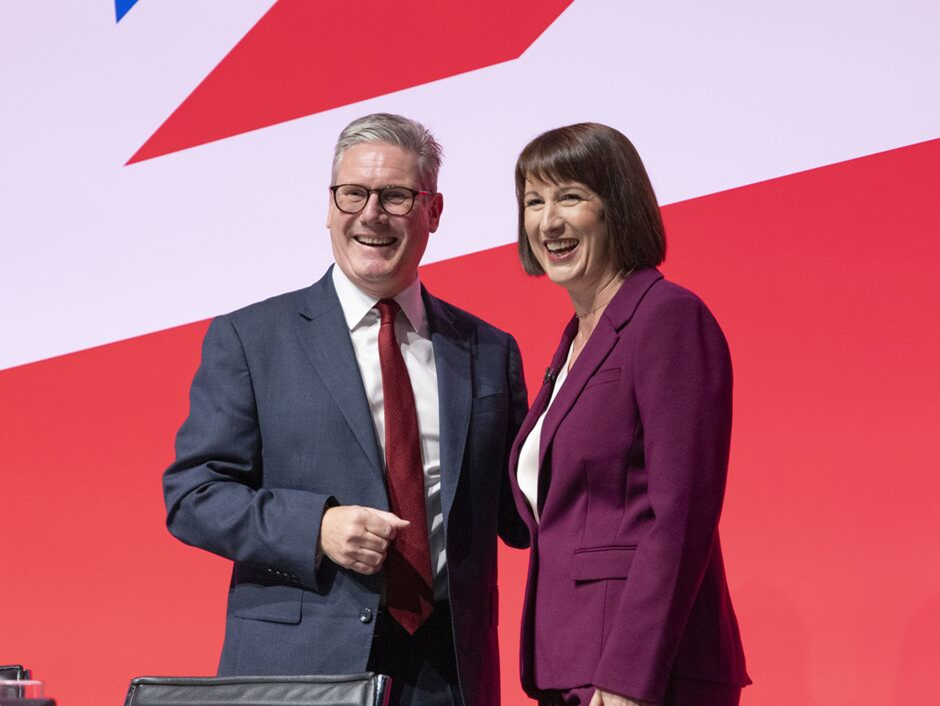
A while back, Rachel Reeves, the Chancellor, put out a Budget. She increased employer national insurance by £25 billion and raised the minimum wage moves meant to help workers. But businesses weren’t thrilled. This caused some tension. Companies wondered if Labour understood what they needed, and that hurt their confidence. Starmer saw this and wants to keep it from happening again. This Budget Board is how he plans to keep things steady and prove Labour can be trusted with the economy.
What’s the Budget Board?
It’s made up of Starmer’s closest advisors on money stuff. They’ll meet each week to plan policy and coordinate plans, communication, and what they do. It’s headed by Minouche Shafik, Starmer’s economic advisor, and Torsten Bell, a Treasury minister. These people make sure the Prime Minister, Chancellor, and Treasury are all on the same page.
Other people involved are:
Varun Chandra, who’s well-known in business.
Tim Allan, a PR person from the Blair years.
Darren Jones, Starmer’s chief secretary to the Treasury. The goal is to create a clear message for businesses, investors, and voters.
Timing is Everything
The UK needs things to be stable. Inflation is still happening, global markets are shaky, and there’s a big funding gap for the government. Starmer’s team needs to get more funds without scaring businesses. It’s about balancing making tough choices with giving money confidence. The Budget Board is supposed to do exactly that, showing that Starmer’s team is in control, knows what they’re doing, and wants things to get better.
Moving Forward
The economy getting better is important. Reeves has said that they’ll decide things based on whether they help the economy grow. She plans to loosen rules, saying at a recent meeting that the government will get rid of regulators to increase productivity and help businesses grow. It’s not just about cutting rules but making it easier to invest. The Budget Board will tie everything together.
What’s New Here
Starmer has been changing his team, pulling supporters closer and making it easier for Number 10 and the Treasury to work together. This board is the last piece, and it focuses on everyone working together. Starmer doesn’t want any surprises. He wants clarity, consistency, and control.
What Company Leaders Think
The reaction has been careful but good. The Confederation of British Industry (CBI) says companies want things to be expected, not free stuff. Rain Newton-Smith, the CBI’s leader, has suggested tax changes and long-term stability. For many companies, the Budget Board shows that Starmer’s government is listening and wants to rebuild trust.
Political Thinking
Labour needs to prove it can manage the economy, which has always been hard for them. Starmer and Reeves know this. This isn’t just about policy, but about showing people they’re organized and reassuring voters and markets that Labour is serious and won’t mess up like before.
To sum it up
Keir Starmer’s Budget Board might seem simple, but it’s a key move for his government. It shows Labour wants to be seen as a party that wants development. Starmer wants to send a message of control, teamwork, and confidence. The next Budget on November 26 will be the first test. Businesses, markets, and voters will all be watching closely.