The cost for the UK to borrow money long-term has jumped to levels we haven’t seen in almost 30 years. The interest on 30-year government bonds is now at 5.747%, a rate not seen since 1997. This could mean trouble for regular people.
What’s Happening?
This isn’t just happening in the UK; it’s happening all over.
Investors are selling bonds from different countries. They want a better return before lending money to governments. Because inflation hasn’t slowed down like people thought, banks are keeping interest rates high. So, governments have to pay more to borrow.
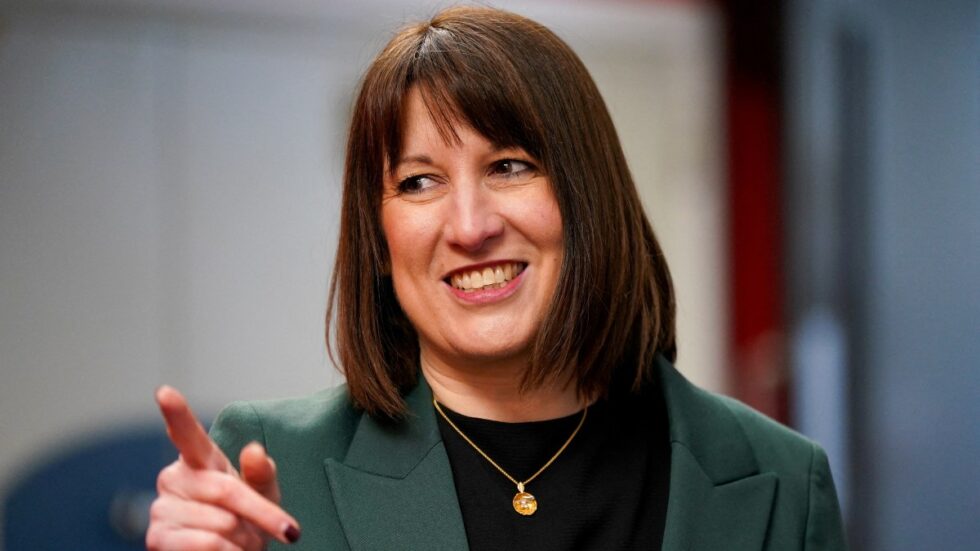
The UK is in a tough spot because it already has a lot of debt, its economy isn’t growing much, and people are worried. The markets are on edge, waiting for the budget from Rachel Reeves.
It’s not a total disaster yet, but it’s worth watching.
What It Means for the UK
The government borrows by selling bonds. When interest rates go up, investors want more money, which makes debt cost more. The UK could face a big budget problem (£18–28 billion).
Reeves has some hard choices to make. Will she borrow more at these high rates, raise taxes, or cut back on spending? None of these are good choices.
It’s not just the government that’s feeling this. Higher bond rates usually change things like mortgage rates, business loans, and pensions. When borrowing costs more, life gets harder for everyone.
People who are already struggling to pay for food and energy might feel even more pressure.
Sound Familiar?
If this sounds familiar, that’s because it’s happened before. Remember the market craziness during Liz Truss’s mini-budget in 2022? Bond rates jumped then, too, which made the Bank of England step in.
Now, it’s not just one mistake; it’s a mix of global and local issues. People remember that crisis and how shaky the UK’s money situation can be.
Global Issues, Local Issues
Other countries are feeling the heat, too. U.S. Treasury rates are high, and Europe is fighting inflation. Even Japan, which is known for its super-low rates, is seeing some problems in its bond markets.
The U.S. economy is still doing okay, and Europe has more backup plans. Britain doesn’t have that safety net. The economy isn’t growing, production is down, and public services don’t have enough money.
That’s why investors want more money to hold UK debt. It’s not just about inflation; it’s about trust.
Politics Just Got Harder
The timing is bad for Reeves. Her first budget is coming, and the markets are watching.
If she raises taxes too much, she could slow down the economy. If she cuts spending, she’ll upset voters and hurt services that are already struggling. If she tries to borrow more, rates could jump again.
It’s a difficult situation.
What People Are Saying

Economists are being honest.
Some think the UK might be stuck with high borrowing costs for a while. Others think the Bank of England might have to step in if things get worse.
Dr. Sarah Mitchell, an economist in London, thinks the UK is being punished for years of slow economic growth and high debt. She also said that markets won’t trust the government unless it rebuilds trust quickly.
That’s not a good sign.
What’s Next?
So, what’s going to happen?
Markets will be watching inflation and Reeves’ budget closely. If she shows a clear plan to fix the budget mess, rates might go down. If not, investors could push costs even higher.
World events matter, too. If the U.S. Federal Reserve hints that it might cut interest rates next year, bond markets could calm down. But if inflation stays high, these high borrowing costs might stick around.
The Big Picture
This isn’t just about numbers; it changes daily life. The cost of your mortgage, how well companies can grow, and the government’s money for things like schools and hospitals are all changed.
The word is: cheap money is gone.
For years, governments could borrow easily. Those days are over. And for Britain, things might be harder than for other countries.
In Short
The rise in UK borrowing costs shows the problems the country is facing. It points to years of not investing enough, slow economic growth, and a weak economy.
The country has a choice: rebuild trust with honesty or pay the cost with higher debt costs and harder times.
The bond market is sending Britain a clear message.