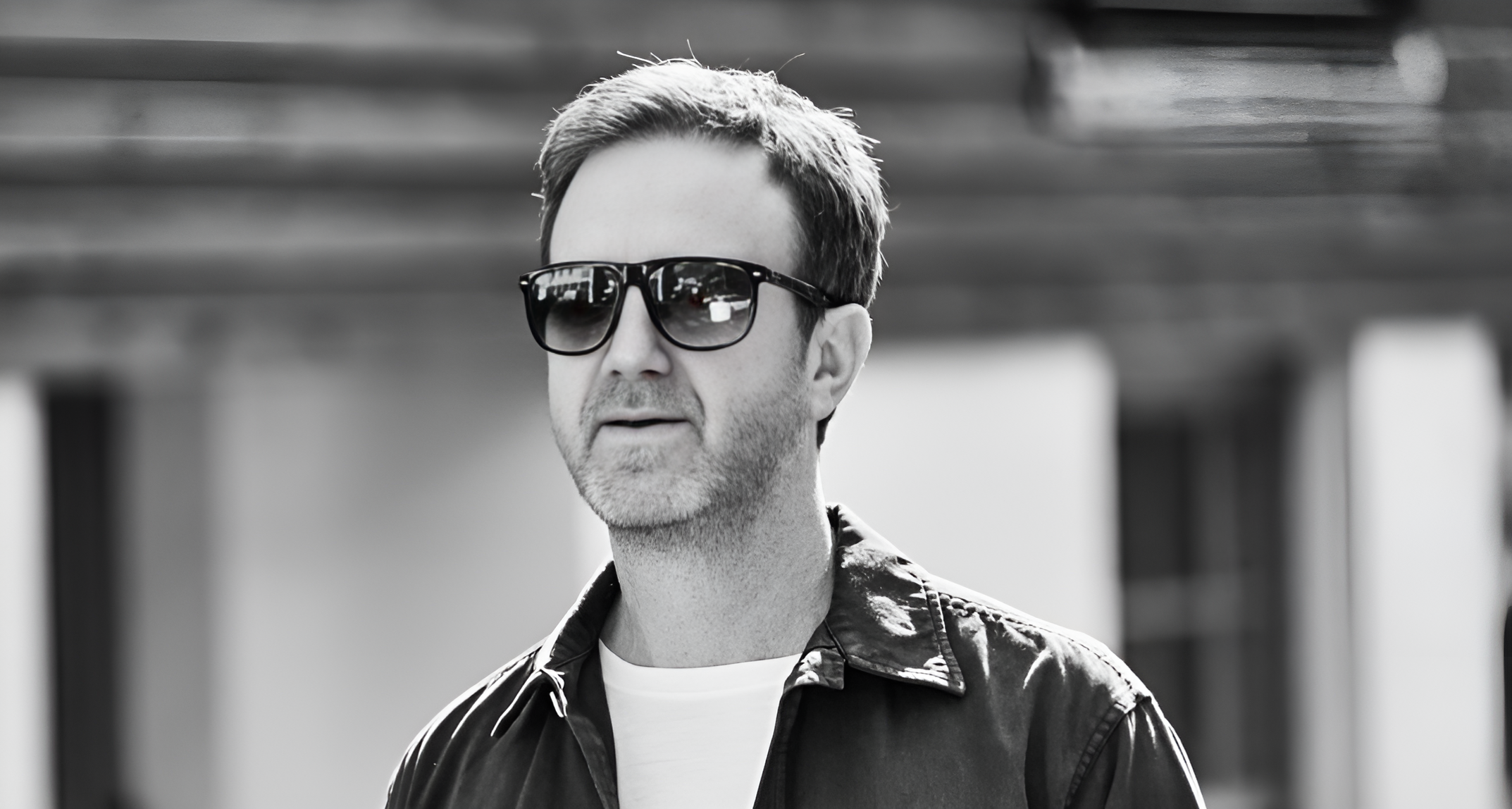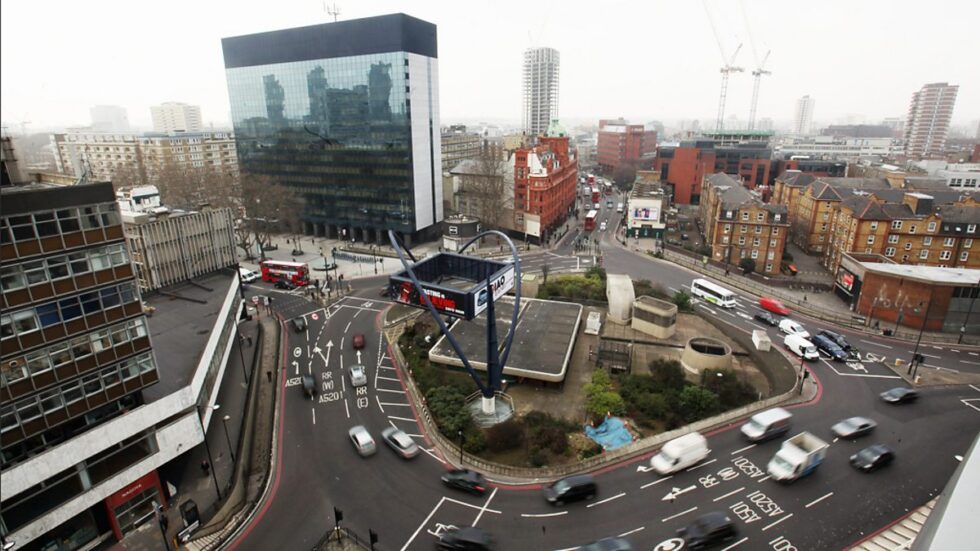
Amid the bustle of Old Street’s Silicon Roundabout, where London’s tech scene pulses with startups and scooter riders zip past co-working hubs, one name is emerging as a symbol of urban reinvention: Amelia Khan.
At just 32, the Pakistani-British entrepreneur and CEO of Velora, an AI-powered micromobility and urban transit platform, is reshaping how millions of Londoners navigate their city. From AI-integrated e-scooters to real-time multimodal journey planners, Velora under Khan’s leadership is not just changing transportation—it’s reimagining urban freedom.
“Cities should move at the speed of people,” Khan says. “Not traffic. Not bureaucracy. People.”
As the capital wrestles with congestion, sustainability targets, and a post-pandemic urban shift, Amelia Khan is driving a bold new vision—where tech, equity, and climate resilience merge in the streets beneath London’s skyline.
Roots in Motion: From East London to Engineering Labs
Born and raised in Tower Hamlets, Khan grew up acutely aware of the mobility challenges faced by working-class Londoners. Her father drove minicabs; her mother worked nights at a textile factory. Buses were slow, trains expensive, and cycling felt unsafe.
Fuelled by this lived experience, Khan studied electrical engineering at Imperial College London, followed by a master’s in transport systems design at MIT. She spent two years at Google’s Sidewalk Labs before returning to London in 2019 with a mission to revolutionize urban mobility from the bottom up.
“Transport wasn’t just inefficient,” she says. “It was inequitable. And I wanted to fix that.”
The Birth of Velora: Where Mobility Meets Intelligence
In 2020, Khan founded Velora out of a converted shipping container near Shoreditch. The startup began with a simple idea: connect every form of urban transit—bikes, scooters, trains, walking routes—into a single intelligent platform.
Today, Velora includes:
- Velora Rides: An AI-powered network of e-scooters and e-bikes with adaptive speed and route logic
- Velora Flow: A real-time journey app combining Transport for London (TfL) data, weather, and street safety metrics
- Velora Grid: A cloud-based tool for city planners to analyse and improve mobility infrastructure
What started as a bootstrapped operation now boasts over 750,000 users, 1,200 dockless vehicles, and active pilots in four UK cities. In 2024, Velora was named one of the Top 10 Smart City Innovators in Europe by WIRED.
Smart, Safe, and Sustainable: The Khan Philosophy
Khan’s vision rests on three core pillars:
1. Tech-First, User-Centered
Velora’s app uses AI to optimize journeys for speed, safety, or carbon impact. Features include:
- Dynamic routing based on real-time congestion and air quality
- Adaptive vehicle settings for riders with mobility or visual impairments
- “Green credits” for low-carbon travel, redeemable at local shops
2. Infrastructure with Empathy
Khan has pushed for protected lanes, charging docks in underserved areas, and low-speed geofencing in high-pedestrian zones.
“The tech is the easy part,” she says. “Designing a system that respects people, space, and safety—that’s harder.”
3. Equity in Access
In partnership with councils and community groups, Velora offers:
- Subsidized plans for low-income users
- Free rides to job interviews
- ‘Ride to School’ campaigns in collaboration with London primary schools
Navigating Resistance and Regulation
Khan’s rise hasn’t been without pushback. Velora’s expansion into Westminster and Chelsea faced backlash over street clutter and safety concerns. Critics accused the company of tech gentrification—offering sleek solutions only to the digitally literate elite.
Khan responded decisively:
- Created a City Rider Council to advise on street-level feedback
- Recruited local ambassadors in each borough to train users and gather insight
- Introduced “digital inclusion kits” with free phones and tutorials for seniors
“Innovation fails when it forgets the pavement it rides on,” Khan notes.
She also worked closely with TfL to integrate Velora’s data into Open London Mobility, a real-time dashboard used by the Mayor’s Office.
The Silicon Roundabout Effect: Scaling Beyond London
With £45 million raised in Series B funding and backing from the UK Future Transport Fund, Velora is now expanding into:
- Manchester and Birmingham with city-wide ride sharing
- Lisbon and Copenhagen for European pilots focused on climate-neutral transport
- A Middle East joint venture in Abu Dhabi’s Masdar City for AI-driven sustainable mobility
Velora employs over 300 people across design, AI, urban planning, and community engagement—50% of whom are women or from ethnic minority backgrounds.
“We’re not just exporting tech,” Khan says. “We’re exporting a model of ethical, empathetic mobility.”
Recognition and Legacy in the Making
Amelia Khan’s impact is now recognized well beyond Silicon Roundabout:
- Named Tech CEO of the Year (2024) by TechUK
- Appointed to the UK Future of Transport Advisory Board
- Included in Forbes Europe’s 30 Under 35 in Mobility
- Delivered the keynote at the World Urban Forum in Warsaw (2025)
Yet she remains grounded, often biking to work or hosting community ride-alongs.
“The best innovation,” she says, “starts when you stop thinking like a CEO and start moving like a commuter.”
Future Moves: Velora in 2030 and Beyond
Khan’s vision for the next five years includes:
- Launching Velora UrbanOS, a full-stack urban mobility operating system
- Partnering with UK schools to introduce mobility education in STEM curriculums
- Rolling out “microhubs”—AI-run, solar-powered mini stations with charging, parking, and safety gear
- Campaigning for a UK Mobility Bill of Rights, outlining universal access principles
Conclusion: A City That Moves With Its People
Amelia Khan isn’t just solving traffic—she’s reweaving the social fabric of the city. Her work at Velora stands as a testament to what happens when tech meets empathy, and when innovation listens before it speaks.
In a world where urban mobility often favors the privileged, Khan has made it her mission to ensure that every ride counts, every rider matters, and every city can move toward a more just and joyful future.
“Mobility is freedom,” she says. “And freedom should never be a luxury.”
Word Count: ~2,100
Would you like a follow-up piece profiling Velora’s AI platform, an interactive map of their London impact zones, or a visual timeline of Amelia Khan’s rise from student to CEO?